The Home Birth Files: Part I
I have always been afraid of hospitals. As an avid Grey’s Anatomy fan, I wish that hospitals were like what Shonda Rhimes has shown us. Instead, they have always signaled that something is deeply wrong, emergency, crisis, or end-of-life wrong. And layered on top of that, is the reality that medical spaces haven’t always been the safest place for women who look like me.
I once had an asthma attack so severe I could only breathe sitting upright, and I still didn’t go to the hospital until I absolutely had to. In another instance, I sliced my finger so deeply while opening a can. I needed stitches, but I sat at home for nearly two hours trying to stop the bleeding on my own. Some might call me stubborn. Some might call me irrational. And maybe both are true. But part of that fear comes from knowing that Black women’s pain and concerns are often dismissed in healthcare.
Sha’Asia Washington was a paraprofessional at a Brooklyn charter school. She passed away after an emergency C-section, following an improperly administered epidural. And across the Atlantic, Nicole Thea, a London-based influencer known for her dance and beauty videos, died at eight months pregnant from an undiagnosed heart condition, despite repeatedly complaining about chest pain and shortness of breath. These are heartbreaking reminders of how easily Black women can be dismissed or overlooked in medical settings.
Black maternal mortality is a prevalent issue in the United States. I knew as early as 2020 that when I became pregnant, I wanted to give birth at home.
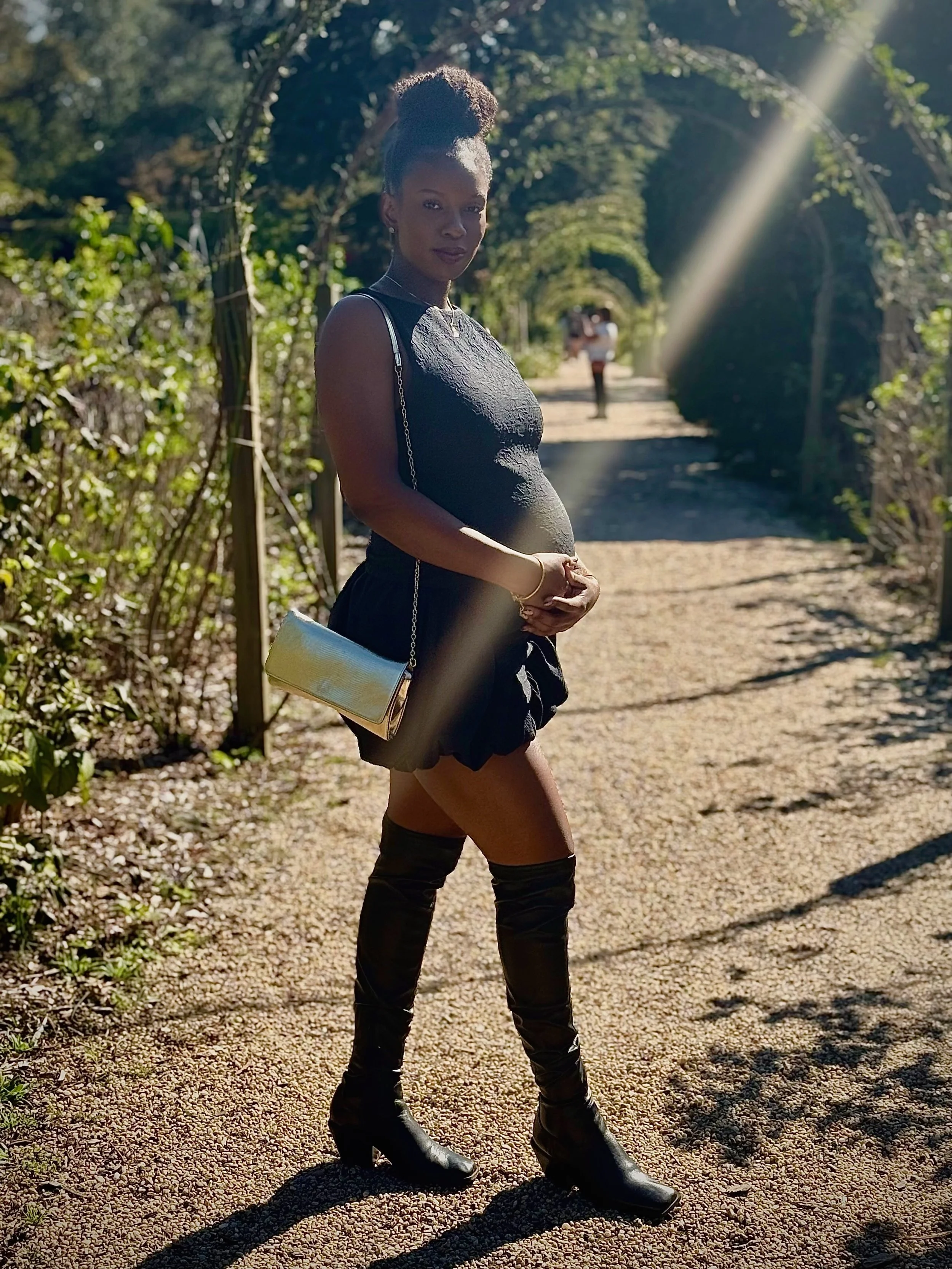
When I found out I was pregnant in 2024, I went to the doctor for my eight-week appointment expecting reassurance and guidance. Instead, I left feeling STRESSED.
The OBGYN I had been seeing for years was short, rushed, and uninterested in my questions. She sped through a list of the appointments and tests I would need, referring me to different offices across the city. At one point she asked, “Have you ever been to that office before?” I said, “Yes. You sent me there last year.” Her response was, “Do you know how many patients I have? Do you think I remember you?”
That moment lingered. And when she began speaking about birth plans, hospital options, her own availability, and the possibility that she might not even be there, I got very overwhelmed.
All of the worries that I had about the medical system came back immediately.
I walked out realizing I needed care that felt human.
